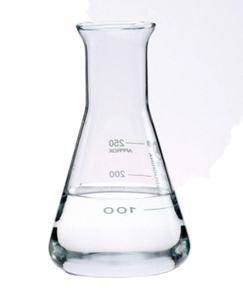
Premium Concrete Admixtures for Global Construction Projects

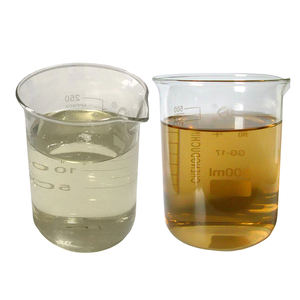
PRODUCT PARAMETERS
Description
Overview of Concrete Additive
Concrete additives are chemicals used to improve the properties of concrete. They can enhance the strength, durability, workability and life of concrete while reducing cement usage and heat of hydration. Common additives include water reducers, air entraining agents, retarders and accelerators.
Features of Concrete Additive
Improve workability: Make concrete easier to pour and compact, especially in hot or cold environments.
Enhance durability: Improve the long-term durability of concrete structures by reducing porosity and increasing impermeability.
Control setting time: Use retarders to delay or accelerators to speed up the hardening process of concrete.
Save costs: Reduce cement usage while maintaining or enhancing the quality of the final product.
Environmentally friendly: Some additives help reduce carbon dioxide emissions and other environmental pollution.
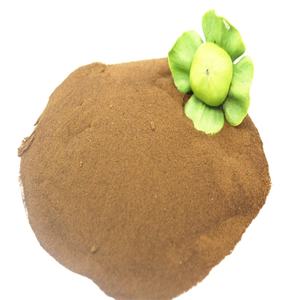
(Sodium Lignosulfonate Concrete Additives Cas 8061-51-6)
Specification of Sodium Lignosulfonate Concrete Additives Cas 8061-51-6
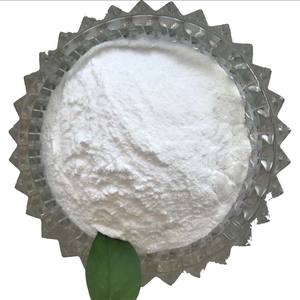
Sodium Lignosulfonate Concrete Additives (CAS 8061-51-6) are organic polymers derived from lignin, a natural byproduct of the paper-making industry. This product acts as a water-reducing agent in concrete mixtures. It improves workability while maintaining strength. The chemical formula is C20H24Na2O10S2. The material appears as a brown powder. It dissolves easily in water. The pH value ranges between 8 and 10. It has a bulk density of approximately 0.5 g/cm³. The product is stable under normal storage conditions.
Sodium lignosulfonate works by dispersing cement particles. This reduces water demand in concrete mixes. Water content can decrease by 10-15%. Concrete becomes easier to pour and shape. The additive slows the setting time slightly. This helps in hot climates or during long transportation. It minimizes cracks and improves durability. The final concrete gains higher compressive strength over time.
This additive suits various construction applications. It is used in ready-mix concrete, precast elements, and masonry products. Builders rely on it for projects requiring consistent quality. It is compatible with most cement types. The product meets industry standards for performance and safety.
Sodium lignosulfonate is eco-friendly. It is biodegradable and non-toxic. It repurposes lignin waste from paper production. This supports sustainable manufacturing practices. Workers should still handle it with care. Direct contact with eyes or skin should be avoided. Protective gloves and goggles are recommended during use.
The product is packaged in 25-kilogram bags. Storage requires a dry, cool environment. Moisture must be kept away to prevent clumping. Shelf life exceeds 12 months when stored properly.
Sodium lignosulfonate offers cost savings. Less water and cement are needed in mixes. Construction timelines improve due to easier handling. It is a practical choice for both small and large-scale projects. Builders achieve smoother surfaces and stronger structures. Performance remains reliable under varying weather conditions.
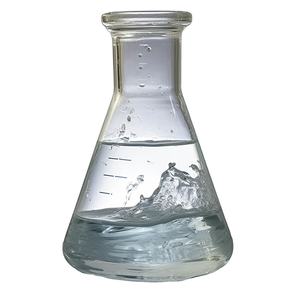
(Sodium Lignosulfonate Concrete Additives Cas 8061-51-6)
Applications of Sodium Lignosulfonate Concrete Additives Cas 8061-51-6
Sodium lignosulfonate concrete additives (CAS 8061-51-6) are widely used in construction materials. These additives come from wood pulp processing. They work as water reducers in concrete mixes. Adding them to concrete lowers the amount of water needed. This makes the concrete stronger and more durable. It also reduces cracking and shrinkage as the concrete dries. Builders use these additives to improve the quality of structures like bridges, roads, and buildings.
Sodium lignosulfonate improves the workability of fresh concrete. It spreads easily during pouring. This helps workers shape and finish surfaces smoothly. The additive slows down the hardening process. This gives more time for transporting and placing concrete in hot weather. It prevents early setting, which can weaken the final product.
These additives are compatible with other concrete ingredients. They mix well with cement, sand, and aggregates. This makes them easy to use in ready-mix concrete plants. They do not interfere with common admixtures like air-entraining agents. Builders appreciate their versatility in different concrete formulas.
Sodium lignosulfonate is eco-friendly. It comes from renewable wood sources. It reduces the carbon footprint of concrete production. Using it supports sustainable construction practices. The additives are cost-effective. They lower material costs by cutting water and cement use. Projects save money without sacrificing quality.
The chemical structure of sodium lignosulfonate helps disperse cement particles. This creates a more even mix. It enhances the density of hardened concrete. The result is better resistance to water penetration and chemical damage. Structures last longer in harsh environments.
Builders rely on sodium lignosulfonate additives for consistent results. They meet industry standards for safety and performance. These additives are tested for reliability in large-scale projects. Their role in modern construction keeps growing as demand for efficient materials increases.
Company Introduction
Welcome to Footprintbooks, a leading supplier in the international market for high-quality concrete admixtures. Our extensive product range includes superplasticizers, waterproofing agents, accelerators, and more, designed to meet diverse construction needs. With cutting-edge technology and stringent quality control, we ensure our products enhance durability, workability, and sustainability of concrete structures. Committed to excellence, we serve customers across the globe, offering tailored solutions and exceptional service. Partner with us for reliable and innovative concrete admixture solutions that build the foundations of tomorrow’s world.
If you have any questions, please feel free to contact us(nanotrun@yahoo.com).
Payment Methods
T/T, Western Union, Paypal, Credit Card etc.
Shipment Methods
By air, by sea, by express, as customers request.
5 FAQs of Sodium Lignosulfonate Concrete Additives Cas 8061-51-6
Sodium Lignosulfonate Concrete Additives (CAS 8061-51-6) are commonly used in construction. Here are answers to five frequent questions.
What is Sodium Lignosulfonate?
It is a water-reducing agent made from wood pulp processing. This additive improves concrete workability by dispersing cement particles. It belongs to the lignosulfonate family. The CAS number 8061-51-6 identifies its chemical composition.
How does it work in concrete?
The additive absorbs onto cement particles. This creates repulsion between particles. It reduces water demand while maintaining mix fluidity. The result is easier pouring without losing strength.
What are the benefits?
It lowers water content by 5-10%. This increases concrete strength and durability. It reduces cracking and bleeding. It is cost-effective compared to synthetic alternatives. Workability improves for better finishing.
What is the recommended dosage?
Typical dosage ranges from 0.1% to 0.3% of cement weight. Exact amounts depend on cement type and project needs. Testing small batches first is advised. Overuse may delay setting time.
Is it safe to handle?
Wear gloves and goggles to avoid skin or eye contact. Inhalation of dust should be avoided. It is biodegradable and less toxic than many alternatives. Follow local safety guidelines for disposal. Store in a dry, cool place.
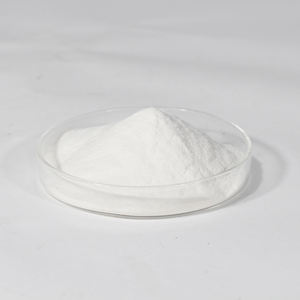
(Sodium Lignosulfonate Concrete Additives Cas 8061-51-6)
REQUEST A QUOTE
RELATED PRODUCTS
Premium Lauric Acid Powder Essential Ingredient for Construction Waterproofing Sealants & Concrete Additives
PCE Polycarboxylate Superplasticizer Powder Long Term Storage Concrete Admixtures & Mortar Admixtures Water Reducing Agents
Aluminum Paste for Aerated Concrete (AAC) AAC Block Foaming Agent Aluminum Paste Lightweight Concrete Aluminum paste Additive
Best-ing building concrete additive high efficiency water reducing agent powder admixture/dispersant
RDP Water Proof Concrete Admixture Redispersible Polymer Powder External Insulation And Finish System additive